


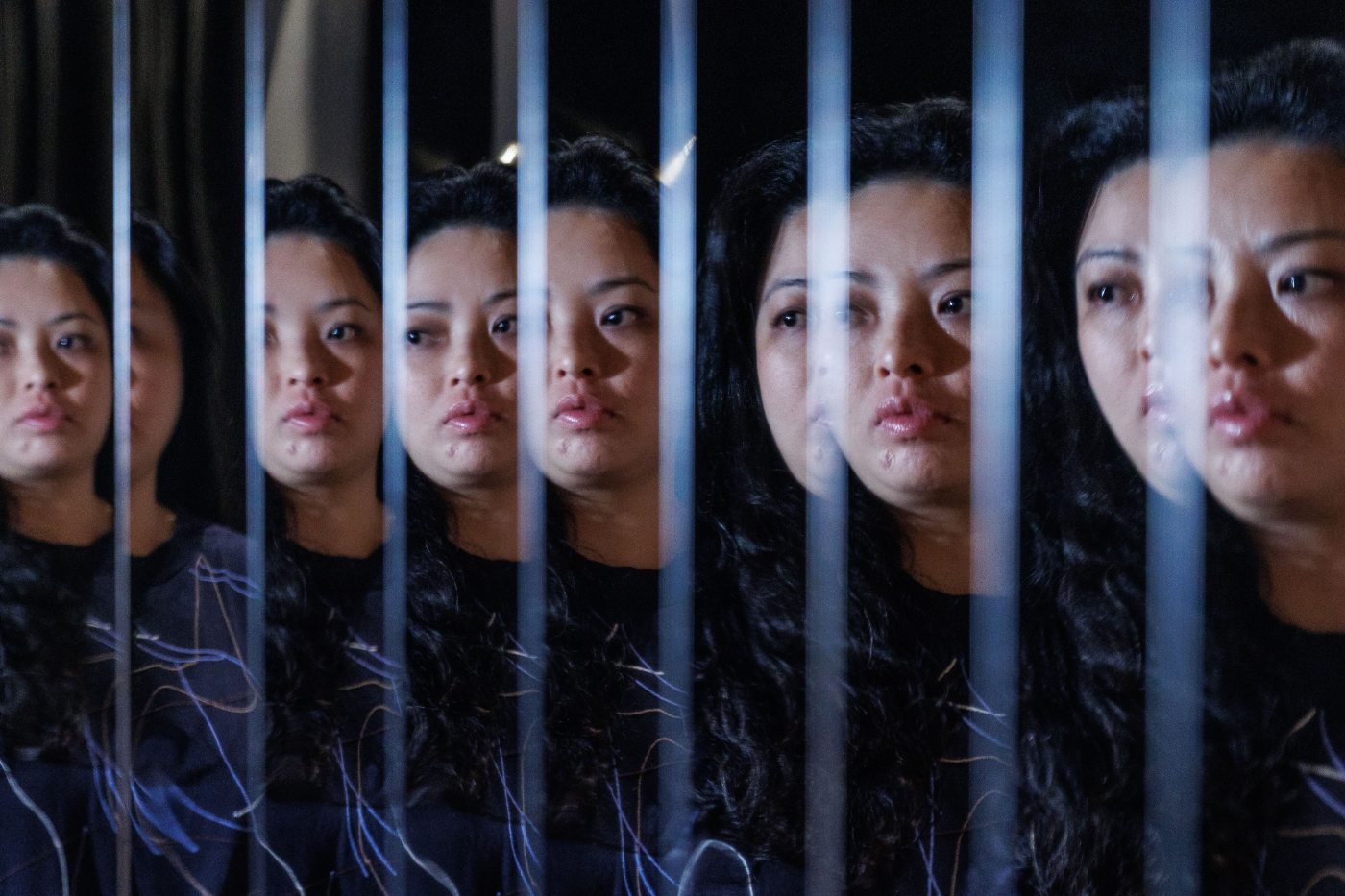
“You may not realise it, but slowly, architecture can change your behaviour,” says Didi Wu, a University of Hong Kong architecture graduate and director of Broadway Cinematheque. “If you have two different staircases that never connect, you never really get to meet the people next to you, living next to you. Stairs that link up all the floors do that. It’s very subtle, but it changes your mind.” She argues that film can act as that staircase between people. “Art and images have the power to stimulate change.”
Put that way, the abstract yet compelling connection between architecture and cinema makes sense. Sitting in the upper lobby of Broadway Cinematheque (BC) in Yau Ma Tei as the cinema prepares to celebrate its 30th anniversary, Wu initially seems almost apologetic for not being a lifelong movie nerd. She came to cinema relatively late, after befriending fellow architecture students, many of whom were more attuned to emotional than physical space. Several eventually gravitated towards theatre, and Wu tagged along before her casual interest in films fully blossomed.
Before taking the helm at BC, she worked alongside two of its former curators, Clarence Tsui and Gary Mak, beginning in 2013. She worked in architecture for four years before moving to the UK to study film curation in London. Though she is not one to trumpet her own achievements, she eventually summoned the courage to approach the Edko booth at the Marché du Film in Cannes and ask for a job.
“During my studies in the UK we would go to Cannes, and BC is part of Edko, so they’d have a booth every year for sales and distribution and so on. So I just walked up and said, ‘I’m interested in working here.’ Luckily they remembered me,” she laughs.
Someone at the booth passed her name to then-curator Mak, who contacted her with the disappointing news that there were no openings — at least not at the time. Wu went to work for the Hong Kong International Film Festival, and a year or two later, “Gary suddenly reached out and said, ‘We’re thinking of adding a post for programming.’ I was like, ‘Oh, I’m in!’ And that’s how it started.”
No single film or filmmaker convinced her she had made the right choice to leave architecture behind, but Wu acknowledges that there are “a lot of films that made me appreciate life more; that assured me my choice was okay.”
-
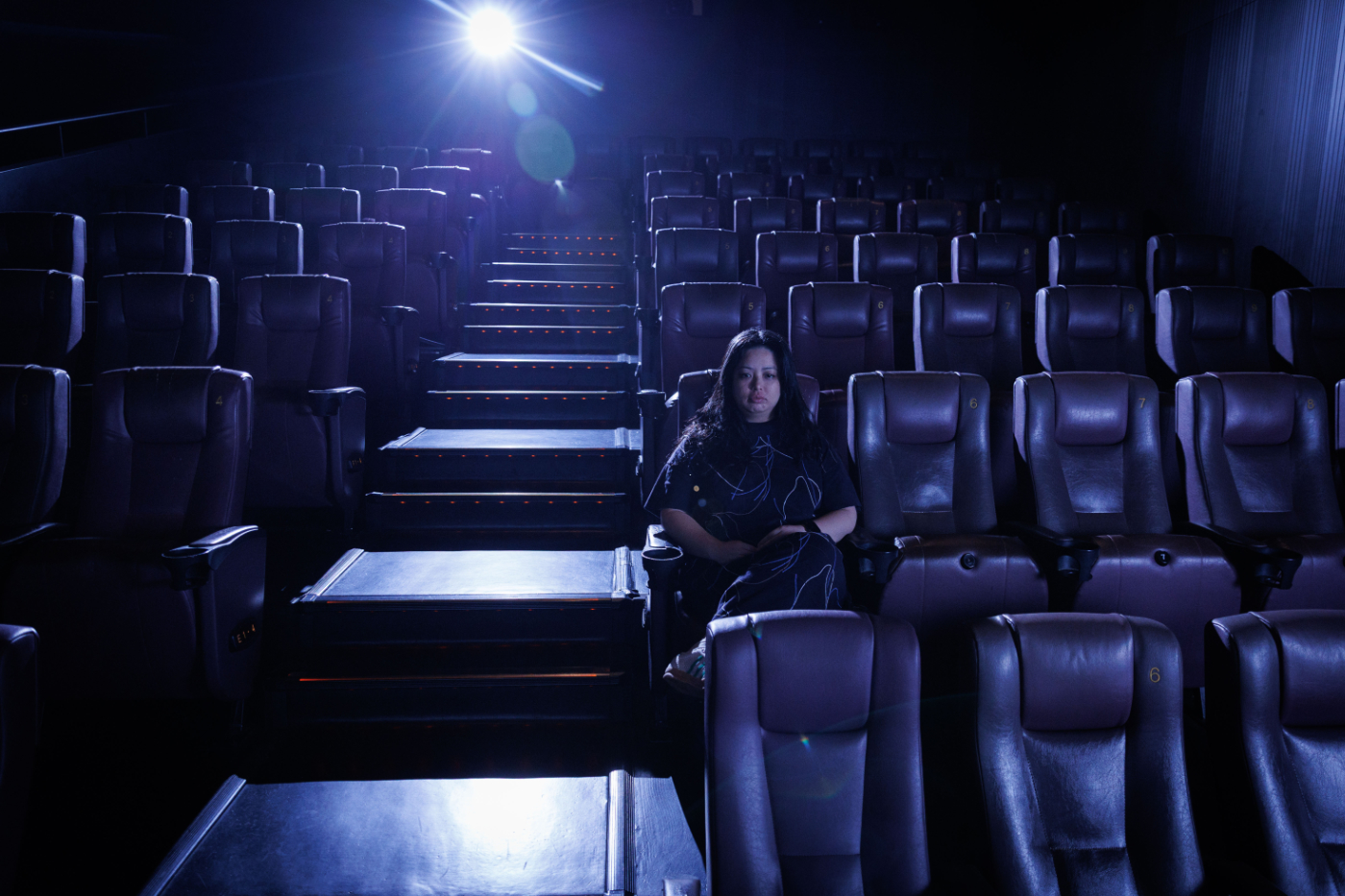
- Didi Wu – Photo by May James for Zolima CityMag
-

- Still – Persepolis , 2007, by Marjane Satrapi
A cinema unlike any other
In 2026, BC is not Hong Kong’s only art-house cinema — there’s also Golden Scene and MOViEMOViE — but it remains one of the most consistently focused on independent, experimental, documentary and other films that can struggle to find audiences. Local film buffs look to BC for releases by independent distributors such as InDPanda and for screenings associated with niche festivals celebrating LGBTQ+, Spanish, German and French cinema. Since opening in 1996, it has weathered a major renovation, disruption during the 2019 protests and the financial strain of the pandemic. At first, the BC brand had little in the way of creative direction: its mandate was simply to offer an alternative to the multiplexes.
“I learnt a lot from [Clarence and Gary],” says Wu. “Gary really created the brand, and if I had started this position right after him I wouldn’t have gained the vision or depth that Clarence brought into the cinematheque. He initiated quite a lot of programmes, even during Covid. He brought in that international connection as well as the idea of social responsibility for a cinema. How can a cinema give back to the community, and how do you establish or reinforce the community, and not just cinephiles? That kind of perspective enriched my way of thinking about what a cinema can do other than just show films.”
-
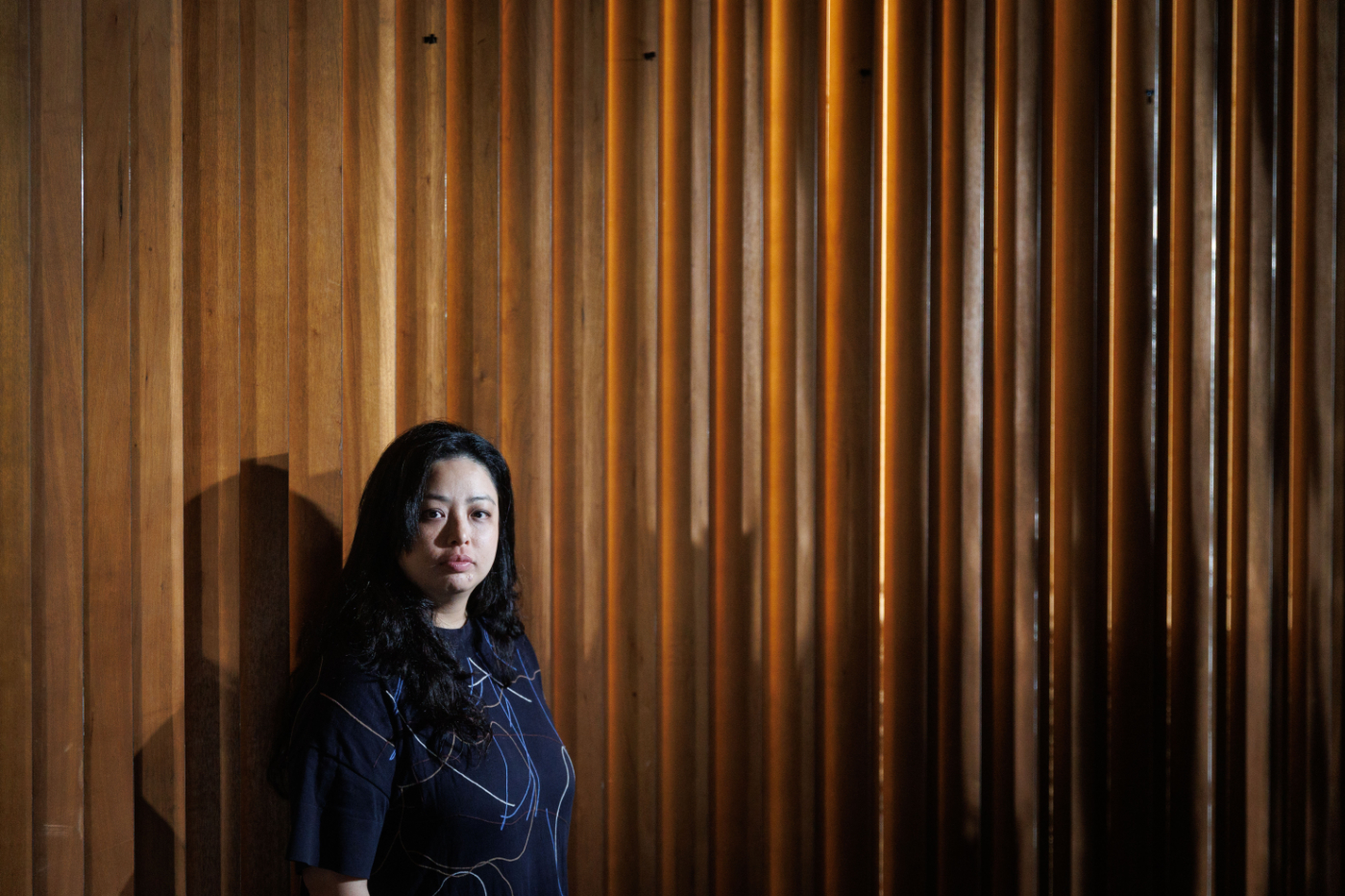
- Didi Wu – Photo by May James for Zolima CityMag
-
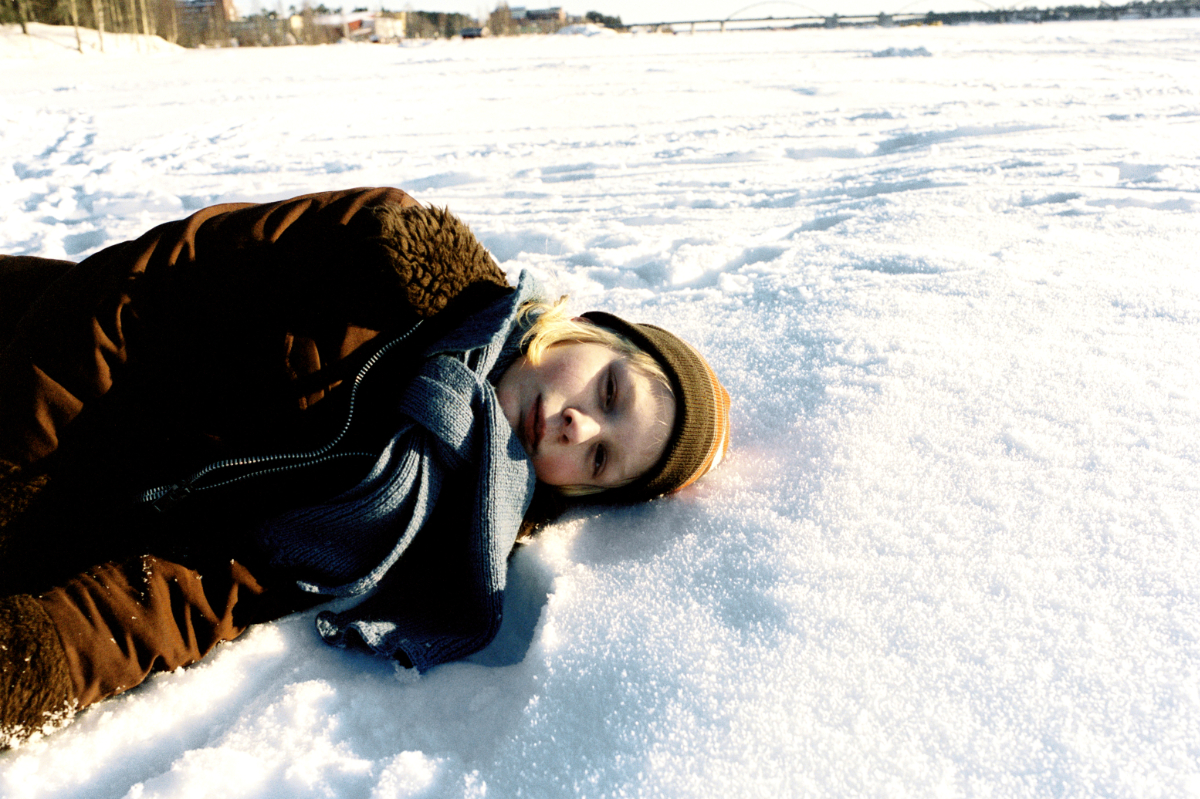
- Still, Let the right one in, 2008, by Tomas Alfredson
-
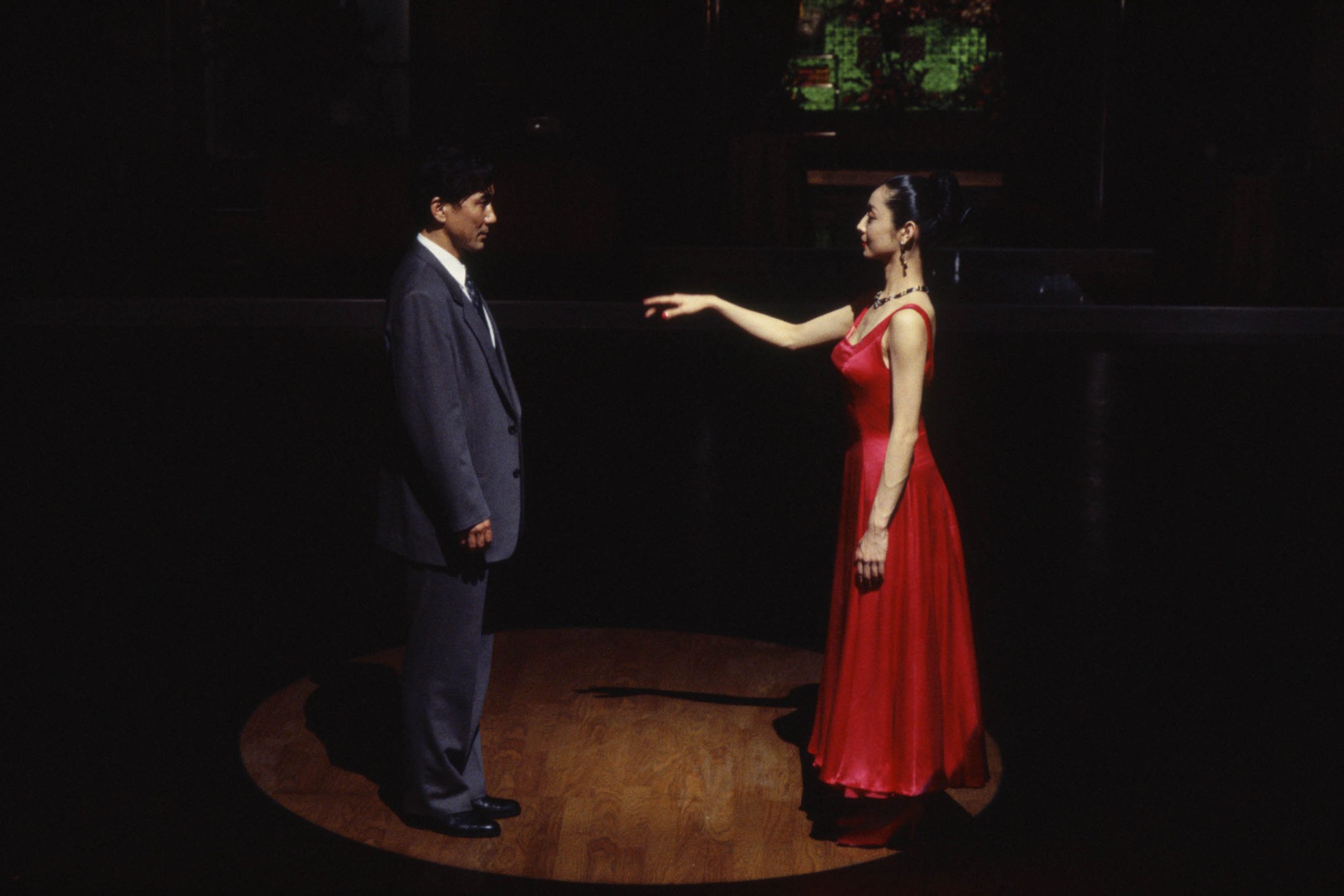
- Still, Shall we dance, by Masayuki Suo, 1996
-
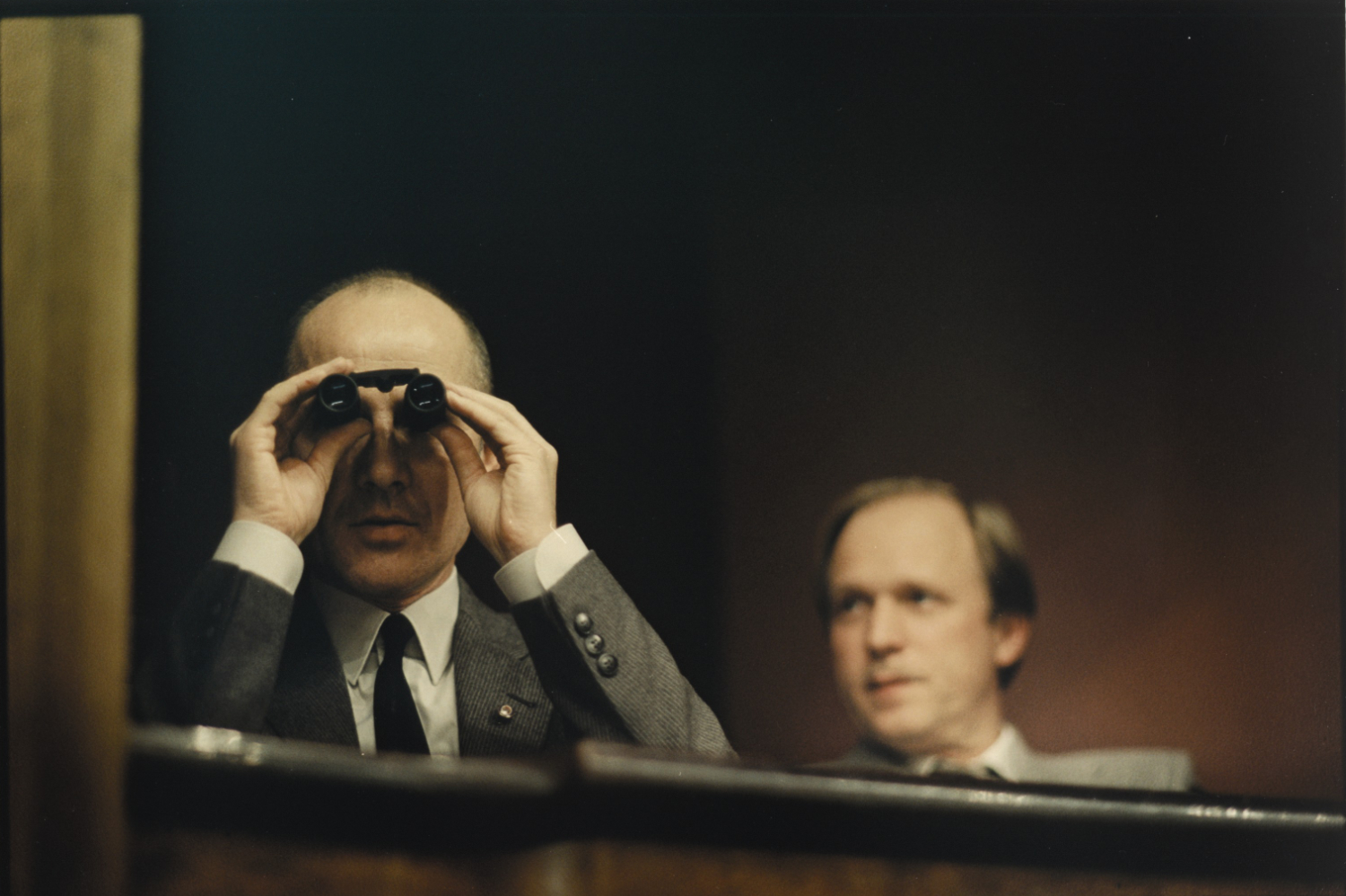
- Still, The lives of others, by Florian Henckel von Donnersmarck, 2006
Wu has a 10-year plan, but the cinema landscape is changing so quickly that she must respond just as rapidly. Censorship rules, streaming, financial pressures and a contraction in global film production have made her job harder. “I don’t have time to think about what the next 10 years will be,” she admits. “I can only think about what I can do in the moment.”
Her priority is to “build a core community that isn’t bound by this space,” she says, gesturing around BC itself — its architecture, so to speak. “We want to exploit intangible spaces; BC doesn’t have to take place here. The Cinematheque should be anywhere.” Wu is not alone in thinking this way: M+ uses its Grand Stair as a public gathering space, while independent filmmaker Benson Koo has brought screenings directly to audiences on the beach. Wu is also willing to invite suggestions from members and audiences, even at the risk of upsetting longtime patrons.
“We had some responses to the idea of screening Niu Lai,” she says, referring to the summer’s viral, “so bad it’s good” animated hit from mainland China. Made over several years by a mother-and-son team on a budget of a few hundred US dollars, the film became an unexpected box-office success, grossing more than US$4 million by late August 2026.
“They were basically, ‘Screen that and we’re never coming back.’ I found that interesting because it speaks to how that person perceives this place,” says Wu. “But I really believe everything has a place here, and we need interconnected spaces between these different circles. I need to be the bigger circle that binds them all. And the idea is not to run BC from the top down, and embrace decentralisation.” Wu credits a young, enthusiastic programming team and supportive, hands-off management with helping her navigate such tensions.
-
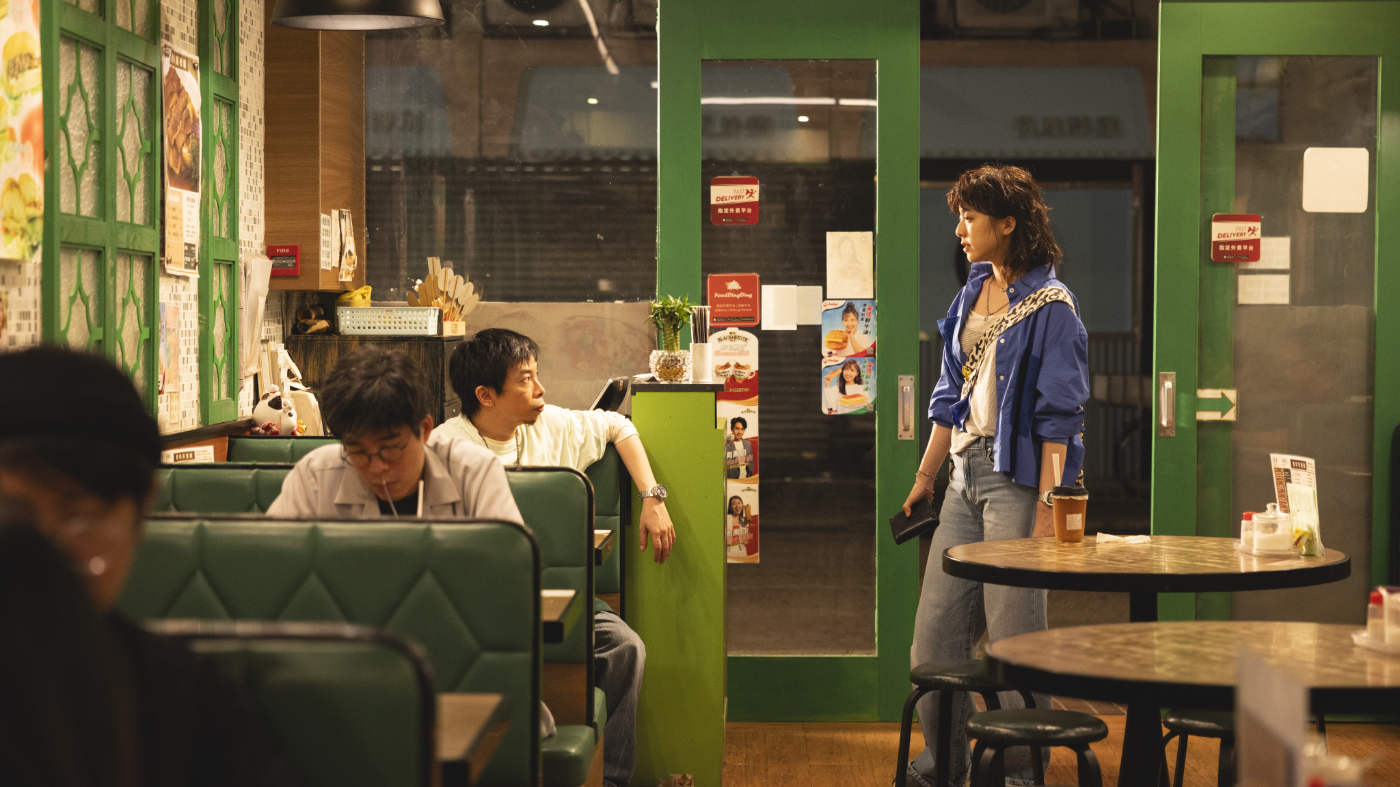
- Still, We are born good, by Yeung Leung-chuen, 2026
-
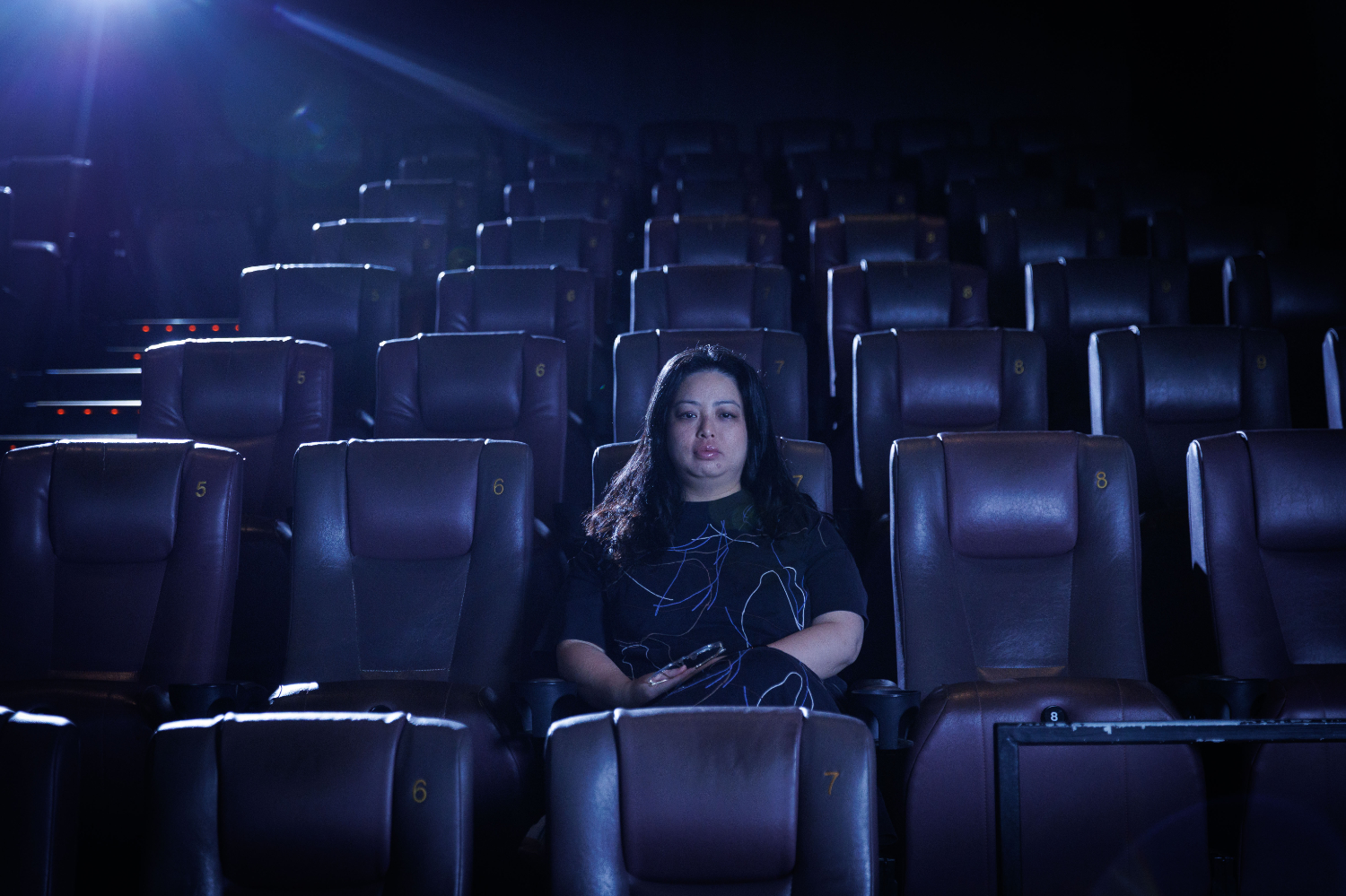
- Didi Wu – Photo by May James for Zolima CityMag
30 years of BC
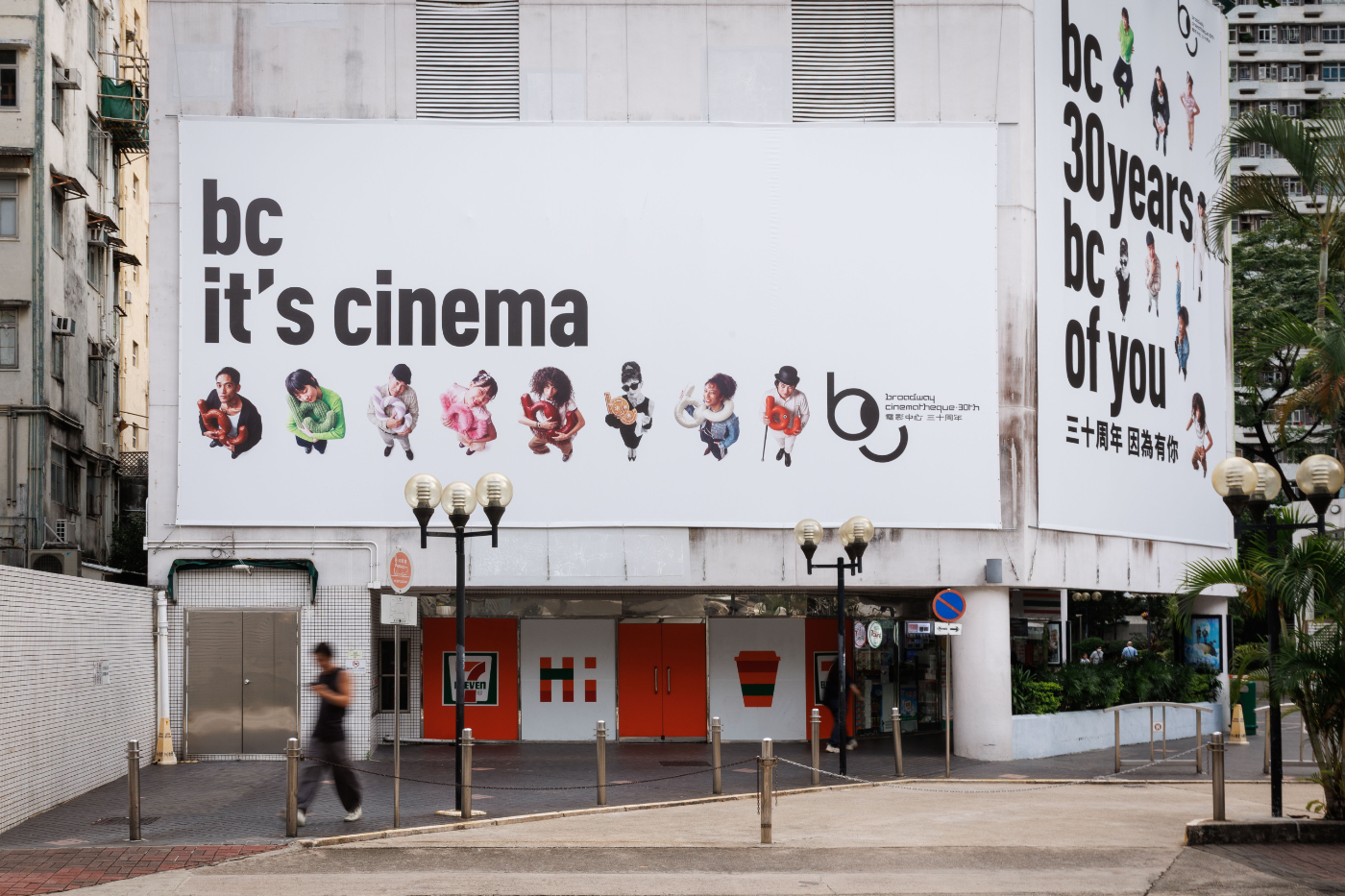
The bc 30 bc it’s cinema programme, which runs until 16 December 2026, brings back 30 films closely associated with BC’s history — not necessarily award winners or box-office hits — from among the thousands it has shown since opening in 1996. Among them is Masayuki Suo’s Shall We Dance? (1996), an early BC hit and still the cinema’s highest-grossing film. The gentle comedy-drama follows a dispirited Tokyo salaryman who takes ballroom dancing lessons and rediscovers his enthusiasm for life.
Wu has invited staff, long-time members and supporters to suggest titles, while another 10 new films look ahead to the next 30 years. The 2026 selections include Romanian director Cristian Mungiu’s Palme d’Or-winning Fjord, local filmmakers Keane Wong Tak-kin’s Afterpiece and Yeung Leung-chuen’s We Are Born Good, and Wu’s personal must-see, Javier Calvo and Javier Ambrossi’s historical drama La Bola Negra. “Something that is completely new. We saw it at Cannes, and we left thinking ‘Oh my God, what did we just watch?’ But it also embraces traditional filmmaking styles and it’s visually vibrant. It’s a discovery for the world, for the cinema,” she says.
The retrospective includes Wim Wenders’s music documentary Buena Vista Social Club (1999); Alejandro González Iñárritu’s debut Amores Perros (2000); Florian Henckel von Donnersmarck’s Oscar-winning The Lives of Others (2006); Juan José Campanella’s Argentine thriller The Secret in Their Eyes (2009); Marjane Satrapi’s animated, autobiographical meditation on post-Revolutionary Iran, Persepolis (2007); and Fruit Chan’s Made in Hong Kong (1997), among others. Of the older films, Wu’s personal choice is Tomas Alfredson’s vampire coming-of-age drama Let the Right One In (2008). “I’m a bit surprised that younger generations don’t know it but it’s always left me breathless,” says Wu.
The anniversary celebrations also include a BC birthday party, quiz nights, ticket giveaways and a performance by local musician Olivier Cong outside the cinema. “I think it’s very important to have alternatives, and room for alternative voices and works distinct from the mainstream. There should always be a place for alternative content,” Wu reiterates. “Back in uni I started coming [to BC] more often. I had my own money. I had my own time. So I chose to come and watch whatever was playing and have my eyes opened. Cinema can be eye-opening for young people. You don’t have to like every film, but being able to criticise and analyse what you see? That’s important.”
bc 30 bc it’s cinema runs until 16 December 2026. Check our What’s On listing for more details.