


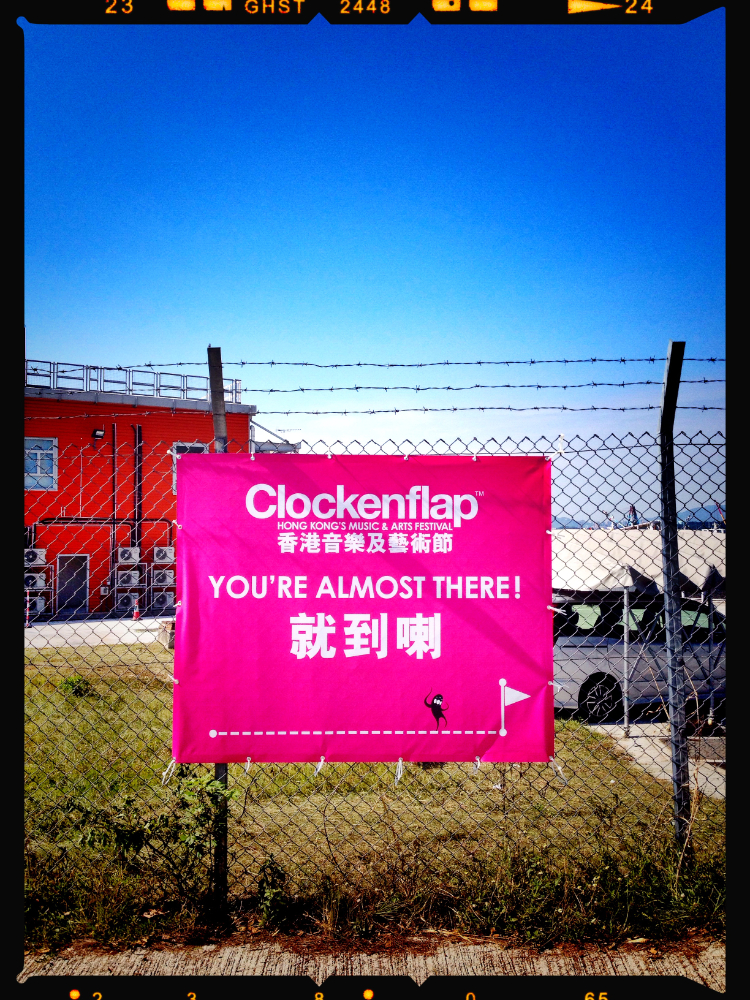
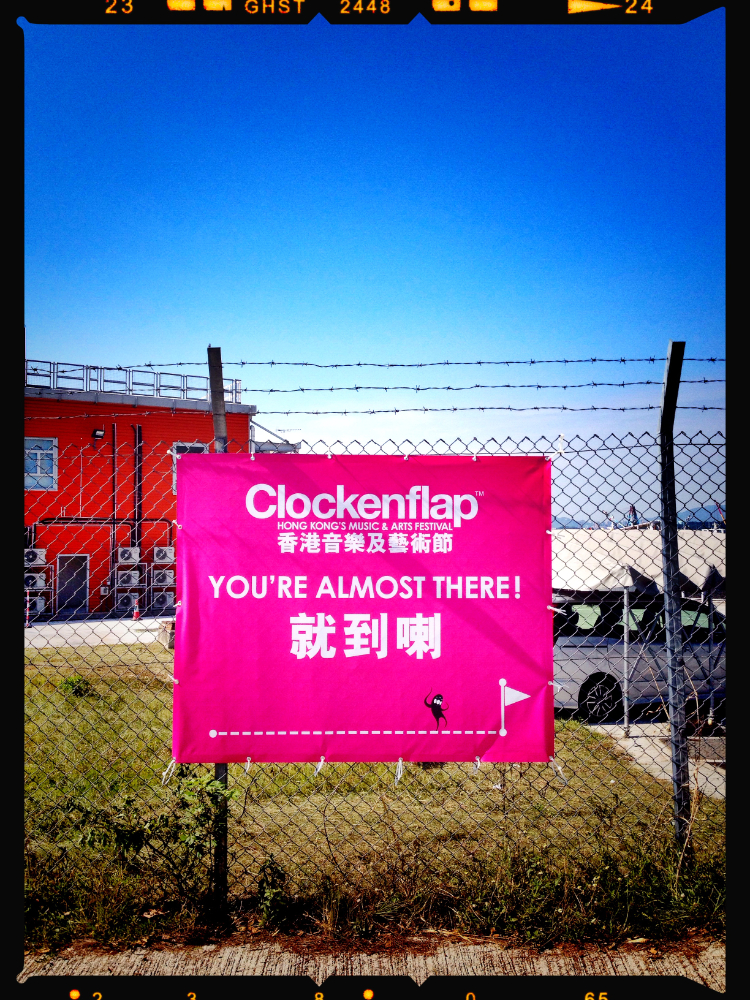
We’re launching a new series of opinion pieces to spark discussion about the state of Hong Kong culture. Here, born-and-raised Hong Kong journalist and cultural observer Aidyn Fitzpatrick looks at the past and present of the West Kowloon Cultural District.
Before West Kowloon became somewhere to go, it was somewhere to simply be.
You could aimlessly stroll, lie purposelessly on the grass, and look across the harbour, empty of thoughts. You did not need a “must-see” exhibition to visit or a “curated” programme to follow. What I remember most is not any attraction but the possibility of spending time in a place without being given any guidance about what to do there. In any major city, that’s a considerable luxury. In Hong Kong, it was a deliciously mad extravagance.
Now we have M+, the Hong Kong Palace Museum and an internationally recognisable cultural district. Those are major cultural brags, to be sure. But every year, when Clockenflap comes around, I still find myself pining for the empty green space that preceded them — particularly the years when Clockenflap occupied the waterfront and, for a weekend, there was no better place on Earth to be.
In those years, you could drift from stage to bar to tent, catch up with everyone you knew, and when the music wasn’t to your taste you could wander off and find somewhere to lay down your picnic blanket and laze on the grass, away from the clamour, until another act came on. The sunsets — which turned the sky vivid orange and pink as the first of the evening’s headliners took to the stage — were a peak experience. This was the extraordinary setting for unforgettable shows by New Order, the 1975, Azealia Banks, Chic, and many others. Even the infamous “zombie walks” — as thousands of dishevelled, hungover festival-goers made the long, slow trek to Kowloon Station after two and half days of solid partying – were cheerfully borne, becoming something of a bonding pilgrimage.
If you were there, you’ll know exactly what I’m talking about. It was a proper festival — not the caged, overcrowded weekend it has become — and that was because of the grass. Your eyes travelled over a sea of reclining people. Friends and families sat together or sprawled on their backs. Couples embraced, toddlers scampered between the groups, and somewhere in the distance a band tuned up. You had the sense that listening to music could include stretching out and doing very little. That a festival might be a generous location to inhabit, rather than the mostly concrete space that you are currently herded into.
The obvious objection is that West Kowloon still has grass. Quite a lot of it. People still picnic, walk their dogs and watch the sunset. The present Art Park was conceived as an alternative to Hong Kong’s conventionally restrictive public spaces and, honestly, it’s pretty nice. So why do I — and I suspect others — miss what came before it?
Freedom, but with an agenda
Zolima’s guide to Hong Kong’s best harbourfront spaces rates the present set up at West Kowloon highly: it has an unfenced waterfront, restrained lighting, usable lawns and places to eat and drink. The management permits activities that many Leisure and Cultural Services Department (LCSD) parks restrict. You can bring a dog, cycle, play an instrument or toss a ball on the grass. These are all little wins for Hong Kong. Anyone familiar with the LCSD’s talent for turning recreation into a stern catalogue of prohibitions should appreciate them.
At the same time, permission and vibe are different things. A place can allow more activities while still making you feel that your presence belongs within a larger programme – which, in this case, is that of a planned cultural district. This is the contradiction I struggle with at West Kowloon. I can recognise its generosity on paper and enjoy its physical improvements, while missing the aimless character of what came before.
It has to be said that the old area wasn’t some gorgeous greensward. It was reclaimed land, with a boardwalk, patchy grass and illuminated columns made from cheap corrugated plastic. It was a slightly unkempt place. But that’s why we liked it. Its liminal, temporary character made it seem less authoritative.
Besides, culture was already happening there. This was where artist Kacey Wong launched his miniature apartment-boat, Paddling Home, in 2009. The Freespace events brought music, second hand vinyl and the bearded, tattooed demimonde to the promenade from 2012. Clockenflap grew there into an international festival. In 2013, BloHK Party brought Pharrell, Steve Aoki and Pusha T to the waterfront. The museums did not import culture unto an empty place. They brought a different form of cultural provision to somewhere that already had a cultural life.
True, we shouldn’t romanticise the inconvenience or lack of restrooms. Outside of events, visitors who had not packed a picnic could find, well, nothing. The new cafés and facilities answer real needs. But while “nothing” can mean having to walk two kilometres to the nearest bathroom or 7-Eleven, it can also mean a precious absence of demands.
When Clockenflap lost West Kowloon, we lost out too
Clockenflap occupied West Kowloon from 2011 to 2015 before moving to Central Harbourfront in 2016. This relocation remains the clearest expression of what has changed.
At the newer Central location, the concrete and gravel are bleak and unforgiving. Festival programming works best when the festival venue also accommodates escape from the programme, especially over the course of an entire weekend, but at Central there is nowhere to retreat to and take a time-out from the crowds and cacophony. (Yes, I know there is a “Park Stage,” but it’s not the same thing.) The main part of the site is also rectangular: crowds bump and surge from left to right, lurching from stage to stage, when they used to roam freely across the West Kowloon plain. There is a huge irony here. A cultural district matured but, as it did so, it forced one of the cultural experiences we valued most to move somewhere far inferior.
There’s another problem with the Central Harbourfront. As Zolima’s own Hong Kong Island harbourfront guide argues, the city needs a large outdoor venue, but its concrete spaces should be landscaped and publicly accessible when it is not hosting ticketed gatherings. Otherwise, valuable waterfront land lies fallow.
Leave something unclaimed
West Kowloon’s problem is not that it has rules. Shared spaces need them. And I’m not seriously arguing that good restaurants and descent landscaping constitute some awful corporatisation of pleasure: I like to sip an iced almond milk latte on a shaded waterfront patio just as much as the next person. The question is one of proportion, and of what takes precedence.
The Art Park’s permissive approach exists alongside pressure to commercialise and programme its spaces. At the 2025 Christmas market, crowd-control arrangements fenced off nearly the whole waterfront in a striking reversal in a landscape whose designers worked to remove barriers. The promise of freedom was broken at that very moment. The everyday visitor’s ability to wander became secondary to managing an attraction.
I am not asking for the museums (or Christmas markets) to disappear. I am asking us to admit something easily omitted from the brags of cultural achievement: the value of a space does not have to justify itself through attendance, transactions or a “packed” calendar of events. Before adding another activation, can we first ask whether a space actually needs activating?
Sure, we have gained statement museums, with their Qing dynasty relics and endless galleries of puzzling art installations, but what I miss is the feeling that the West Kowloon waterfront did not need to be a destination at all. Sometimes the best thing a city can offer is actually an untidy green space.
Photo by Aidyn Fitzpatrick.
This op-eds reflects only the view of its authors, not Zolima CityMag. We’d love to hear your feedback — follow our socials to comment!
We’ve teamed up with Hong Kong’s biggest music festival to offer four lucky Zolima subscribers a full weekend pass worth HK$2,180! Want to earn your chance to win a pass? Sign up to our newsletter! When you receive our latest newsletter, you’ll find a link to a Clockenflap quiz — fill it out for your chance to win a pass. Entries must be completed by 23:59 on 1 December 2026.
Clockenflap 2026 runs from 4–6 December. Check our What’s On page for more information.